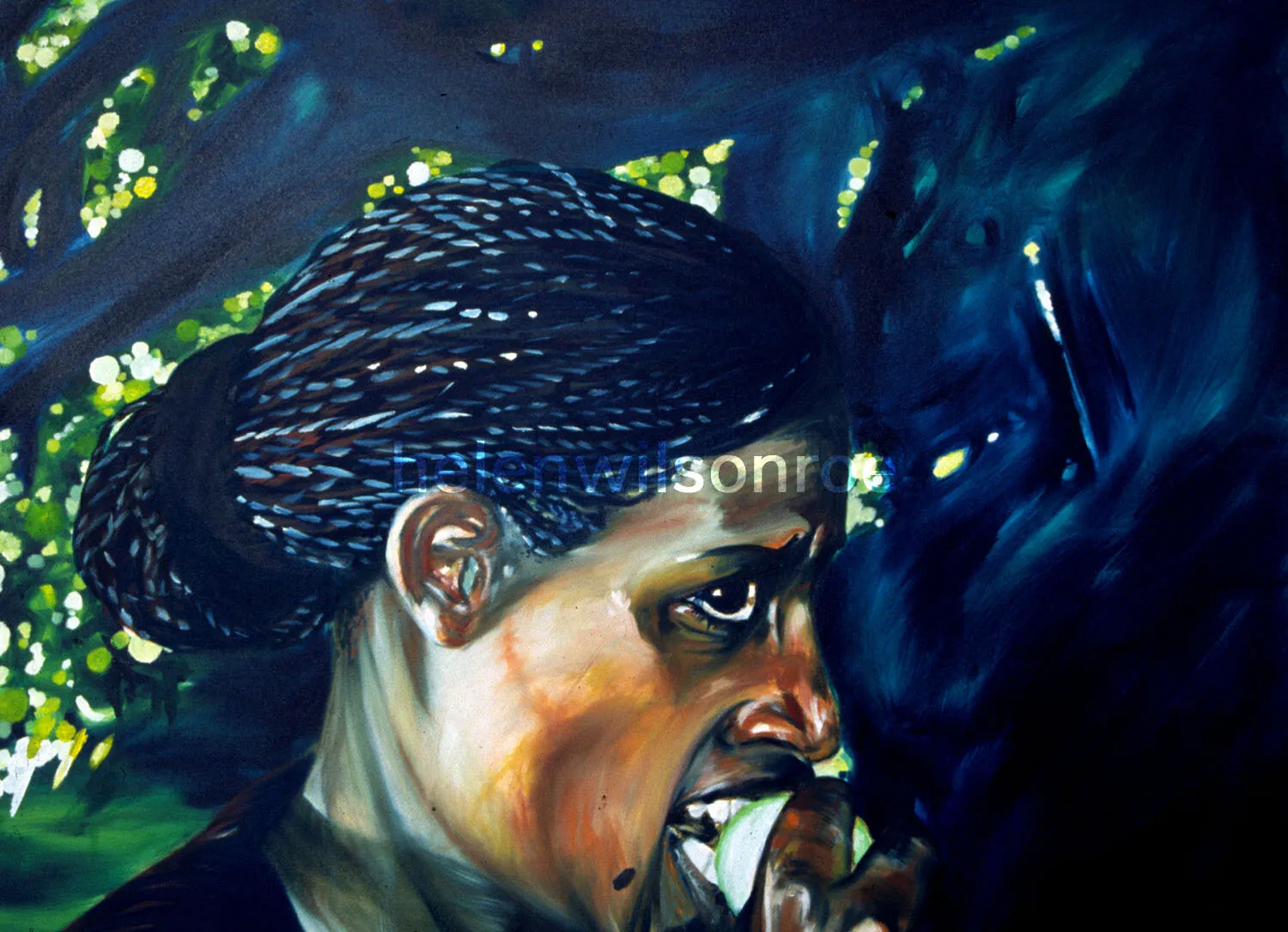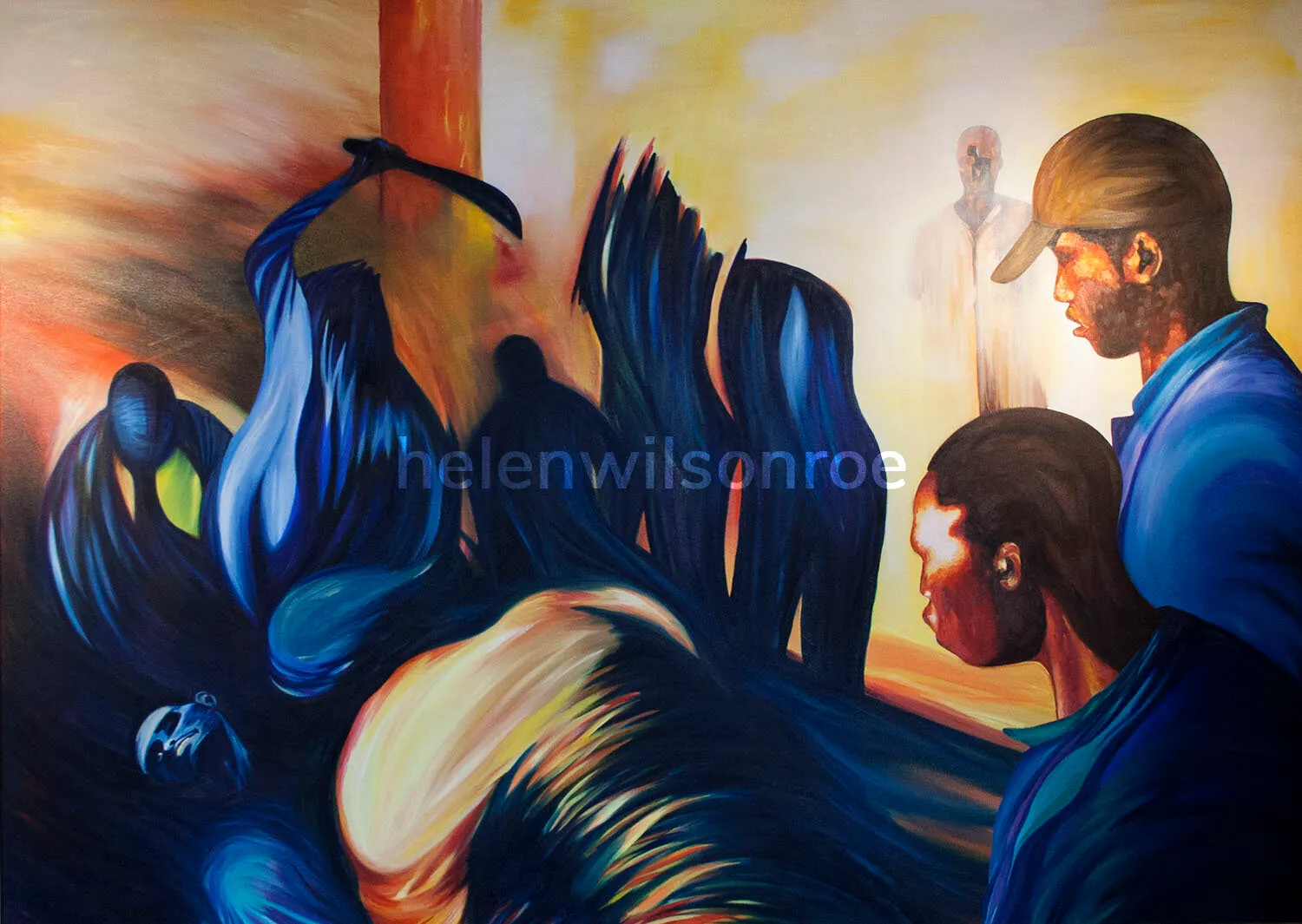
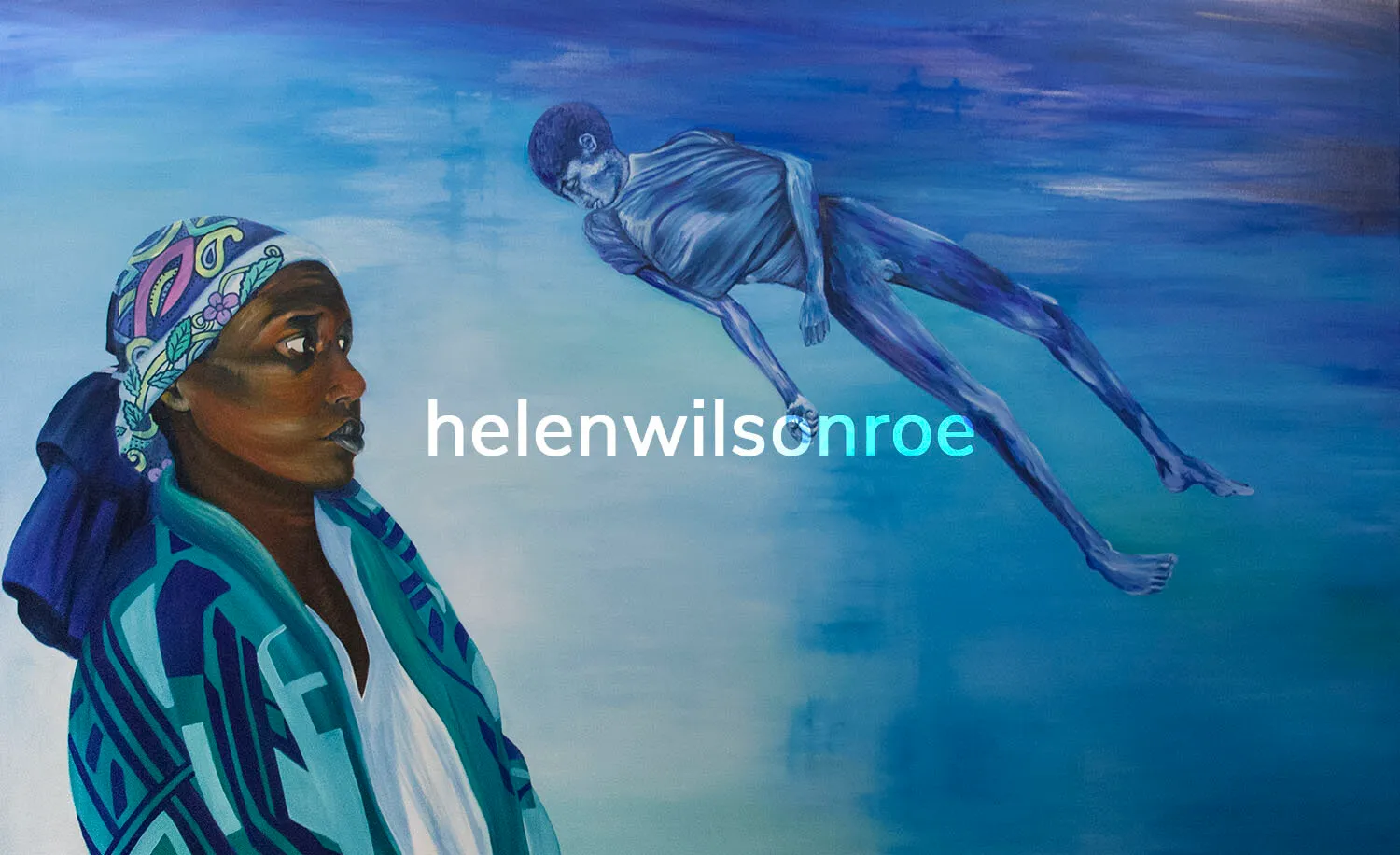
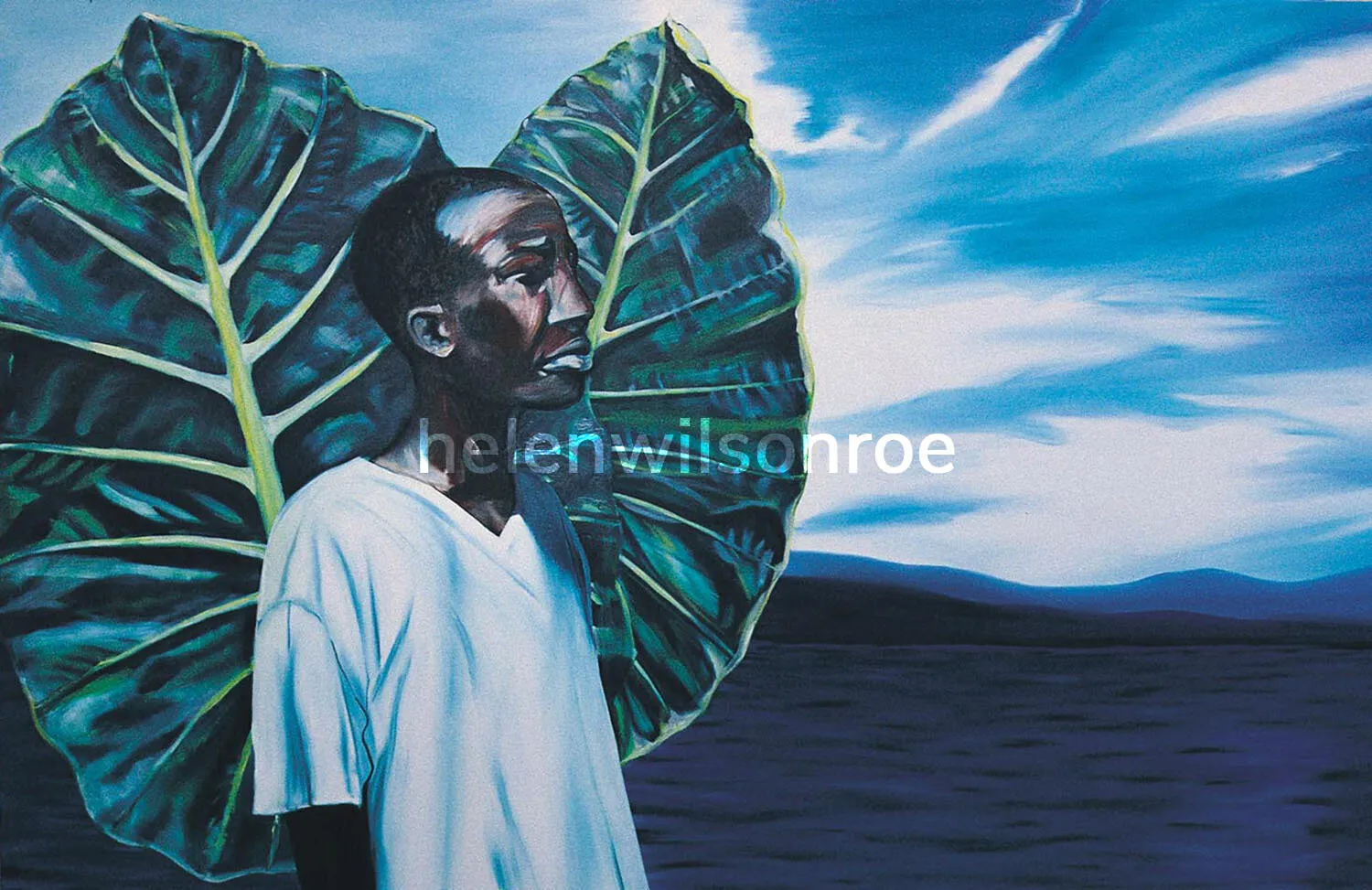
Making Sense: A Rwandan Story is a collaborative project and exhibition, inspired by a visit the artist Helen Wilson Roe made to Rwanda in 2002. At its heart are twelve large-scale paintings, which together tell a powerful and moving story of personal dignity, courage and survival. Helen Wilson Roe has been painting images of Rwanda since the 1994 genocide, which claimed the lives of over a million people in 100 days. Having now met survivors and visited the genocide sites, she has produced new works that show both the beauty of Rwanda and the resilience of its people in the face of a massive human tragedy.
"Trying to make sense of what happened in Rwanda has been at the heart of my work for nearly a decade. I want to express through this project as much as possible about Rwanda as it is today - the beauty and the tragedy, and the dignity and grace of its people in the aftermath of the genocide. I am not a politician or a journalist, but I can paint. That's my communication tool. I want to represent what I saw clearly and accurately, to offer understanding and hope for the future"
Helen Wilson Roe
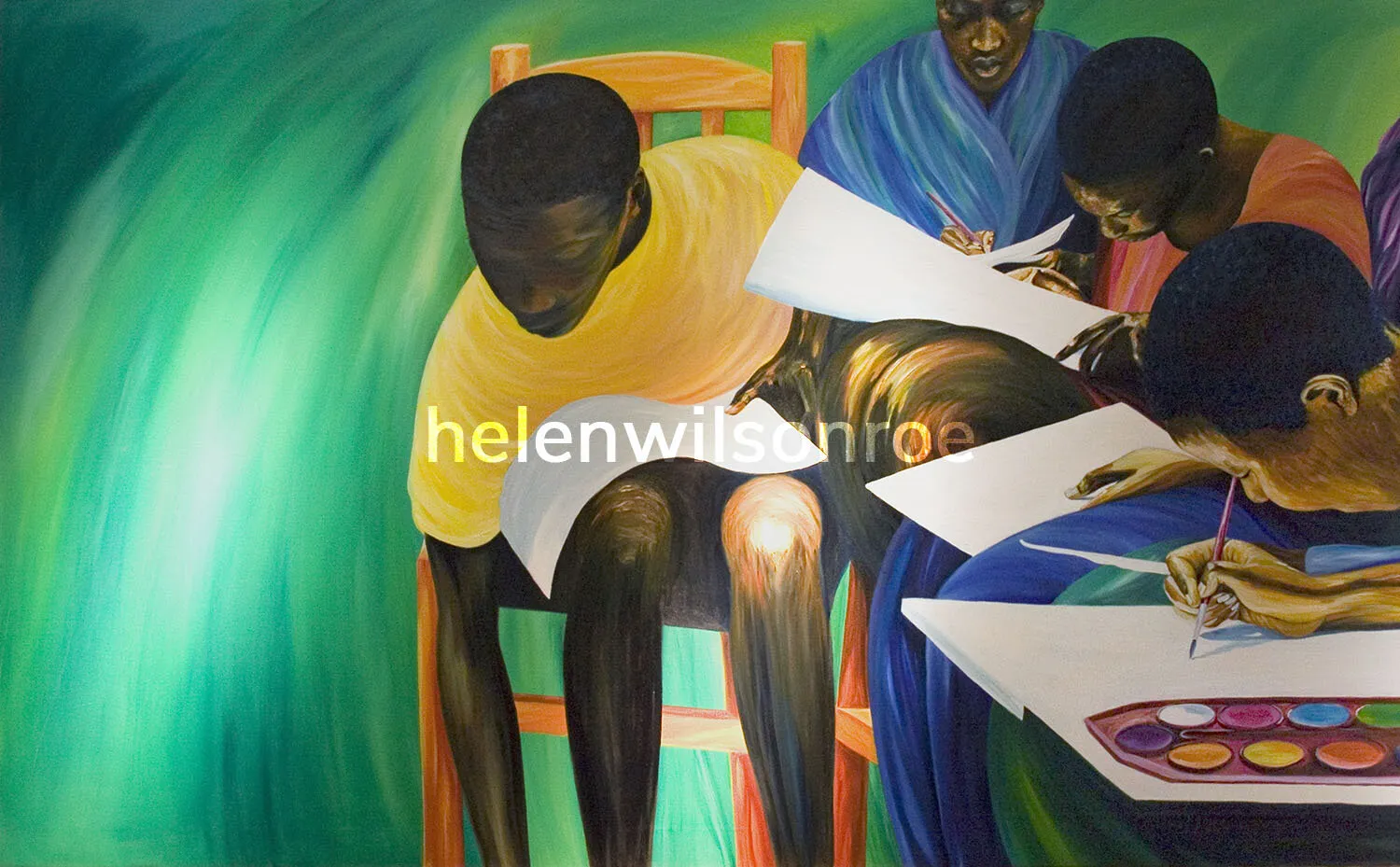
The 1994 genocide in Rwanda claimed the lives of over a million people in 100 days. Nearly ten years on the human truths behind the horror are still being revealed. A desire to learn more about what happened in Rwanda led artist Helen Wilson Roe to travel there in 2002 to meet survivors and to visit genocide sites. Her visit has inspired a series of new paintings, which together tell a powerful and moving story of human courage and survival, capturing both the beauty of Rwanda and the resilience of its people in the face of a massive human tragedy.
Fergal Keane, the distinguished news correspondent and writer who has reported on and written extensively about Rwanda over the last decade, introduces the catalogue.
The exhibition is accompanied by a documentary film about the artist's work on this project produced by award-winning cameraman Mike Fox and BBC director Kate Broome, who have previously made television programmers together in Rwanda.
Preface by Fergal Keane – from Making Sense: A Rwandan Story
I am writing this introduction in the small Tanzanian town of Arusha. I am preparing to give evidence in the genocide trial of a Rwandan Mayor who led the slaughter of local Tutsis in the area of Rusomo.
I wish that I could bring Helen Wilson Roe's paintings into court with me. I and other colleagues have tried to convey some of the reality of the genocide, but I am aware that we can only succeed in a very limited way. The televised imagery of massacre replayed and replayed can have an alienating effect on those watching: they can only watch for so long without being repelled by the inhumanity of the spectacle played out before them. The televised image can too easily become a series of fragments without context. In the mounds of reeking corpses we struggle to recognisehumanity.
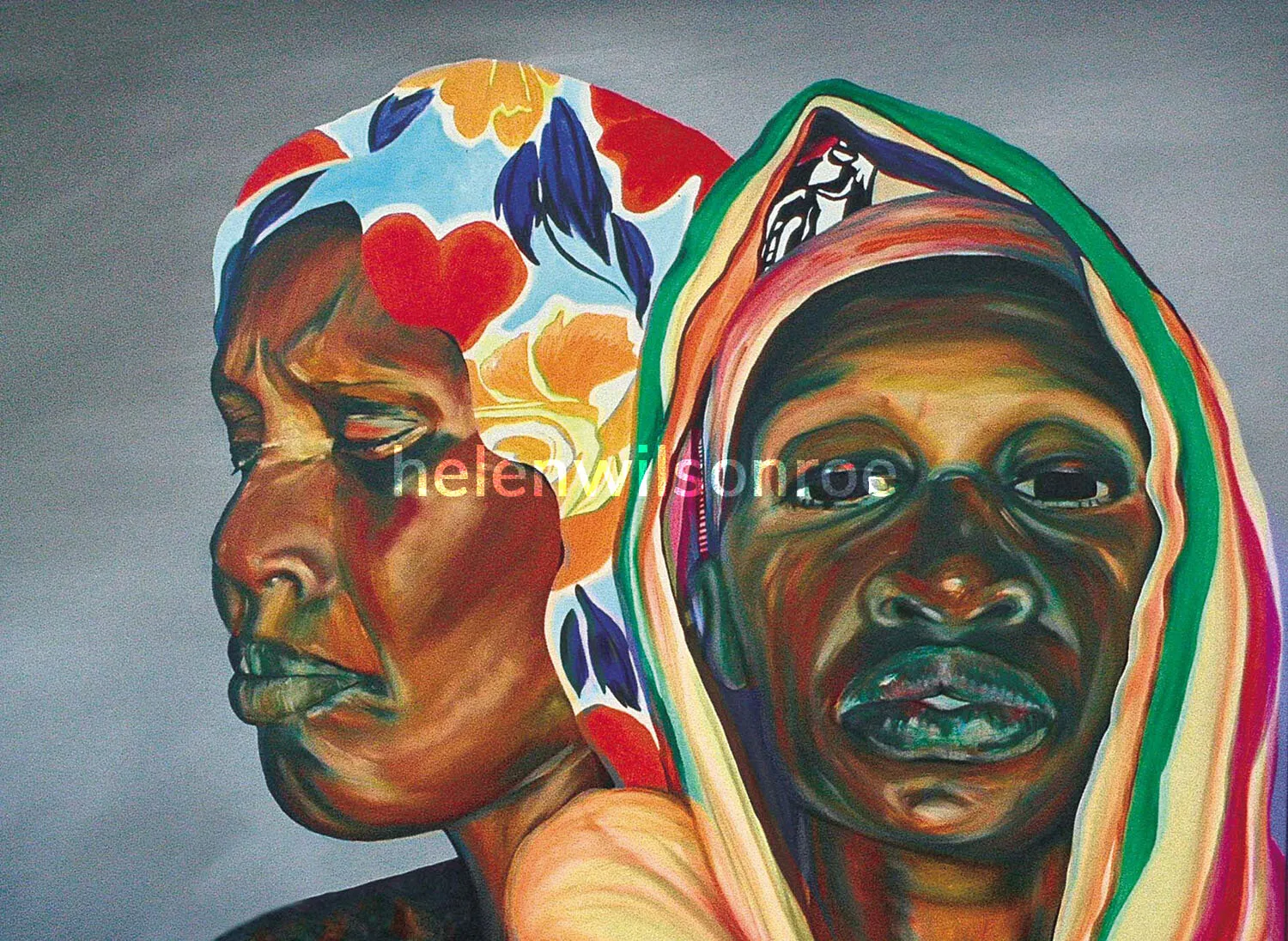
After the genocide I told my close friends that I felt my own work had only touched the surface of the thing, that the human truths at the heart of the horror might only be revealed decades later The journalist can give you the political and social context, the historian can tell you where different movements came from, the economist can tell you about the collapsing economy and how created a desperate need to find scapegoats. But the human factor, as I told my friends, was something, which the philosophers, poets, novelists and artists would have to wrestle with. To gaze into such darkness as Helen Wilson Roe has done takes a courage, which most artists will never be called on to display. Helen had a choice. She might have easily chosen and easier’ subject - there are many after all. Instead she responded to her own sense of duty as a human being, and she did so with a sacred weapon - the paintbrush.
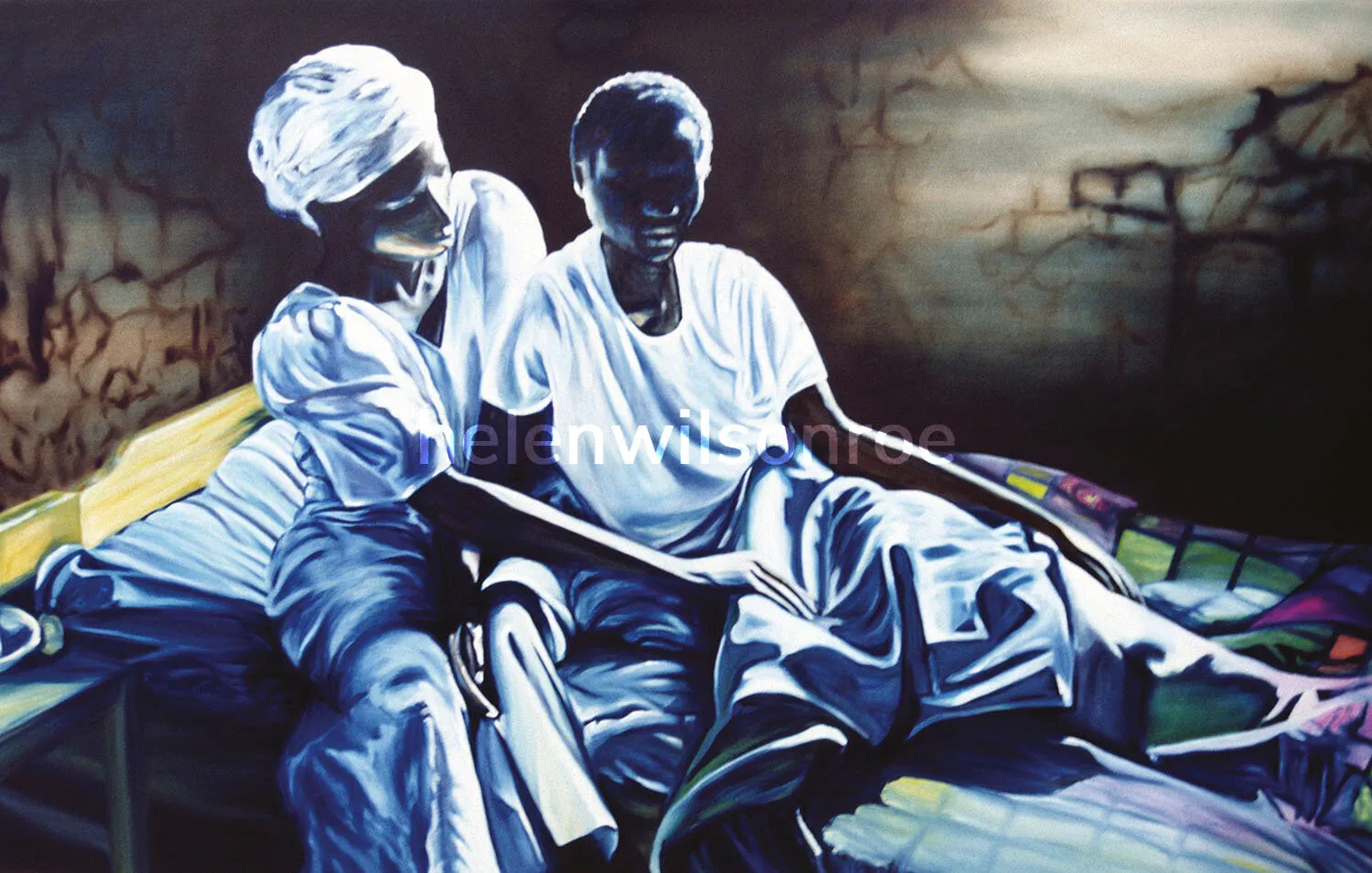
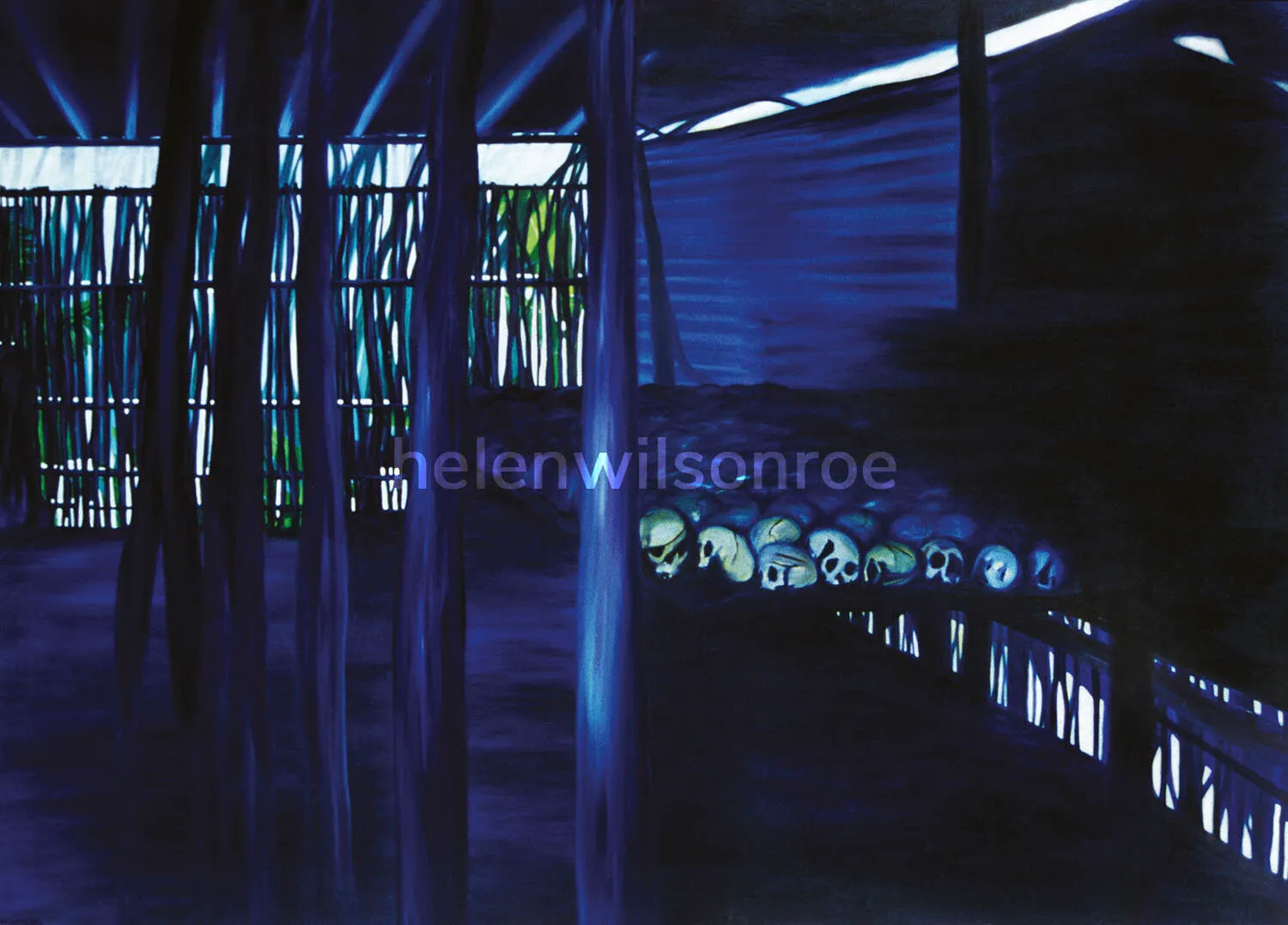
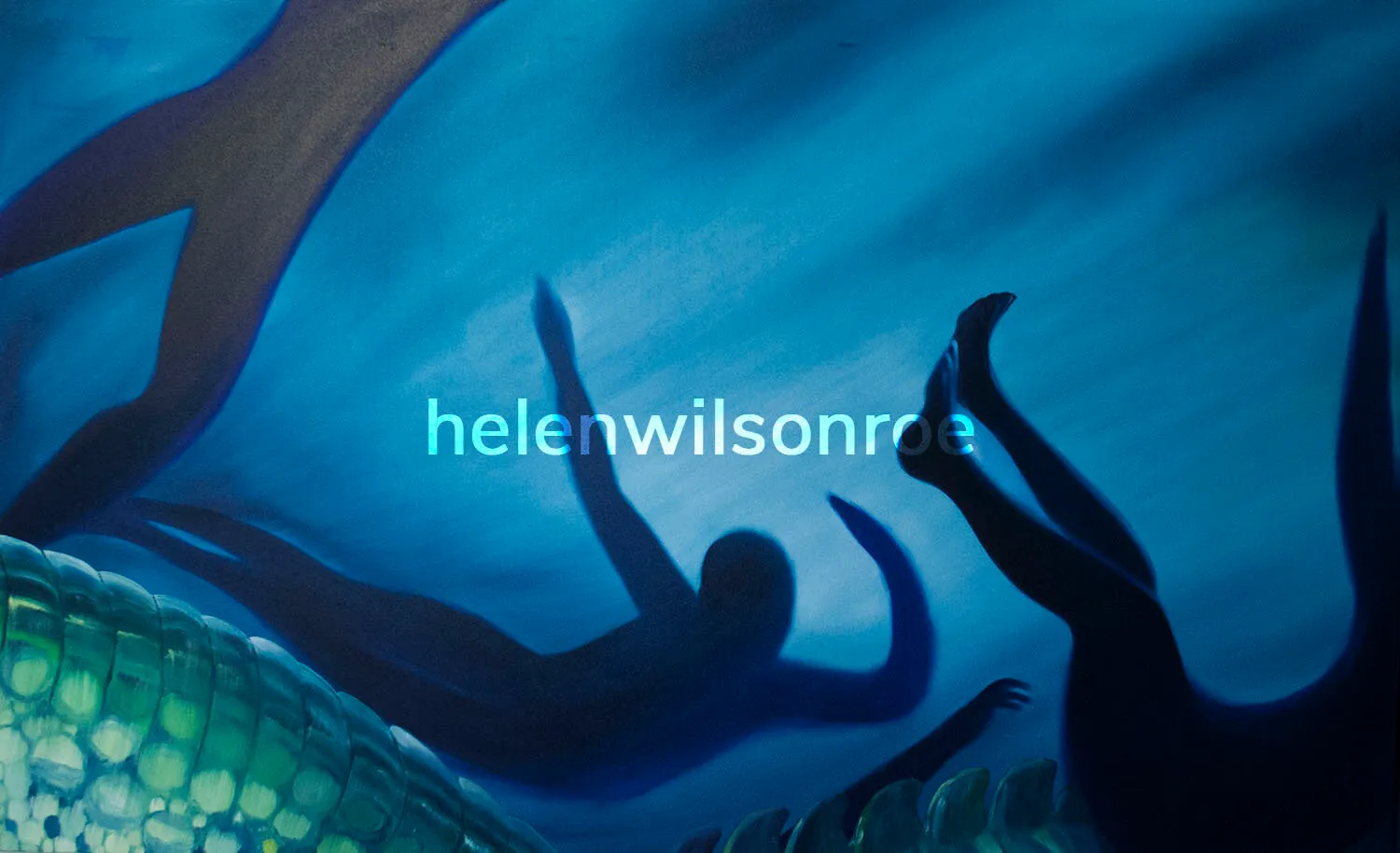
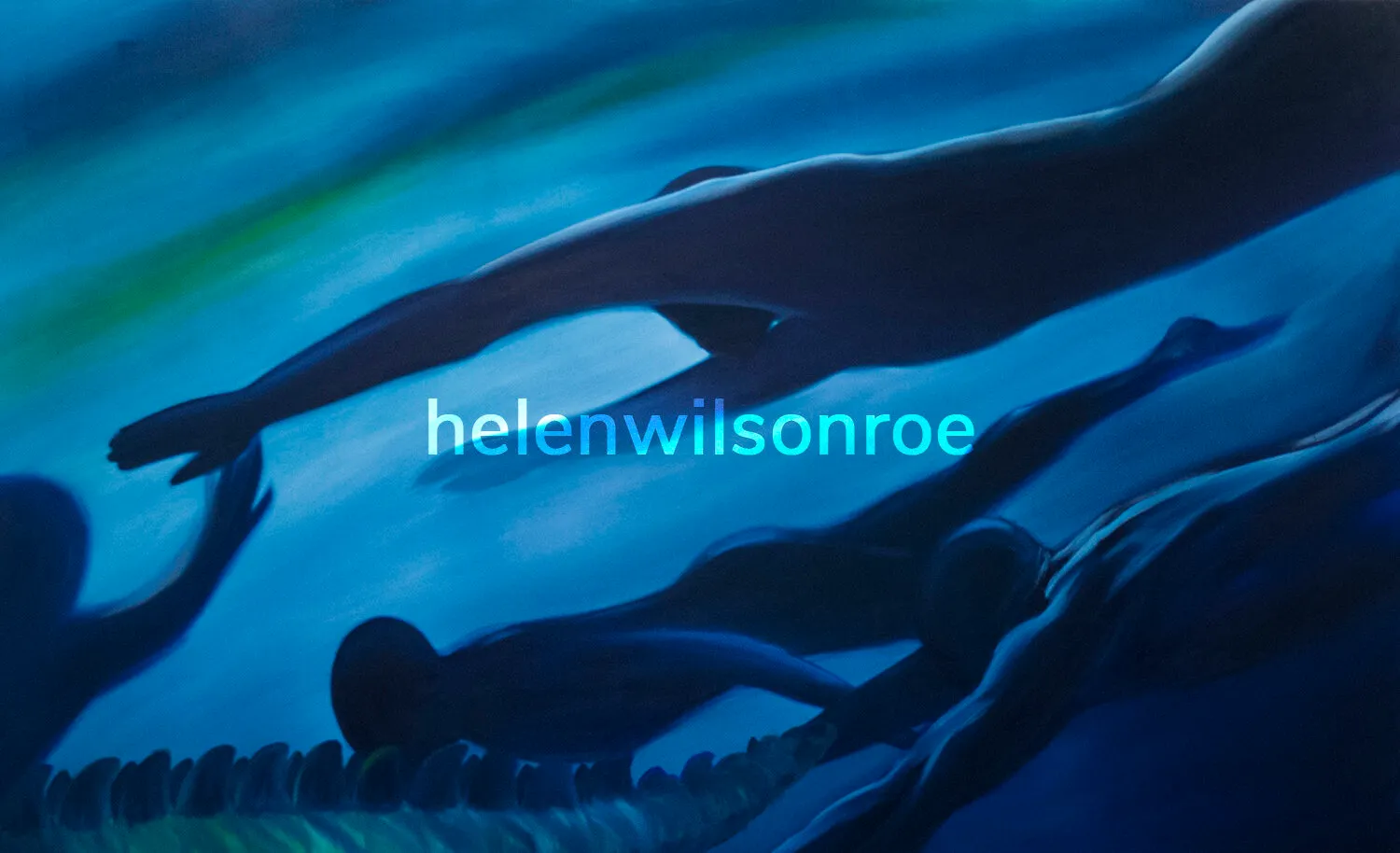
The result is a quite extraordinary series of paintings. Andre Malraux said that the true artist always gives something of themselves to their work; in fact he used the phrase "grafts something of themselves" Helen has done this through her gift for empathy with those who suffered, whether they are the women of Avega ("Woman and Child" and "Four Avega Women") or the anonymous dead of church compounds ("The Bone Shed"). In her painting "The River" Helen transported me back to a late spring evening by the banks of the Akagera River on the border with Tanzania. Then I watched the terrible, bloated corpses washed down over Résumé Falls. Helen's painting is based on a story told to her by a survivor, Andrew, who would watch for the bodies of friends and family being washed past. I do not recognise the bodies in the painting as those of the bloated figures I saw. I am thankful for that. Helen Wilson Roe has managed to return to these lost people the dignity taken away by genocide. They are recognisable as people, not simply the "biological plastecine" to which Adolf Hitler once referred.
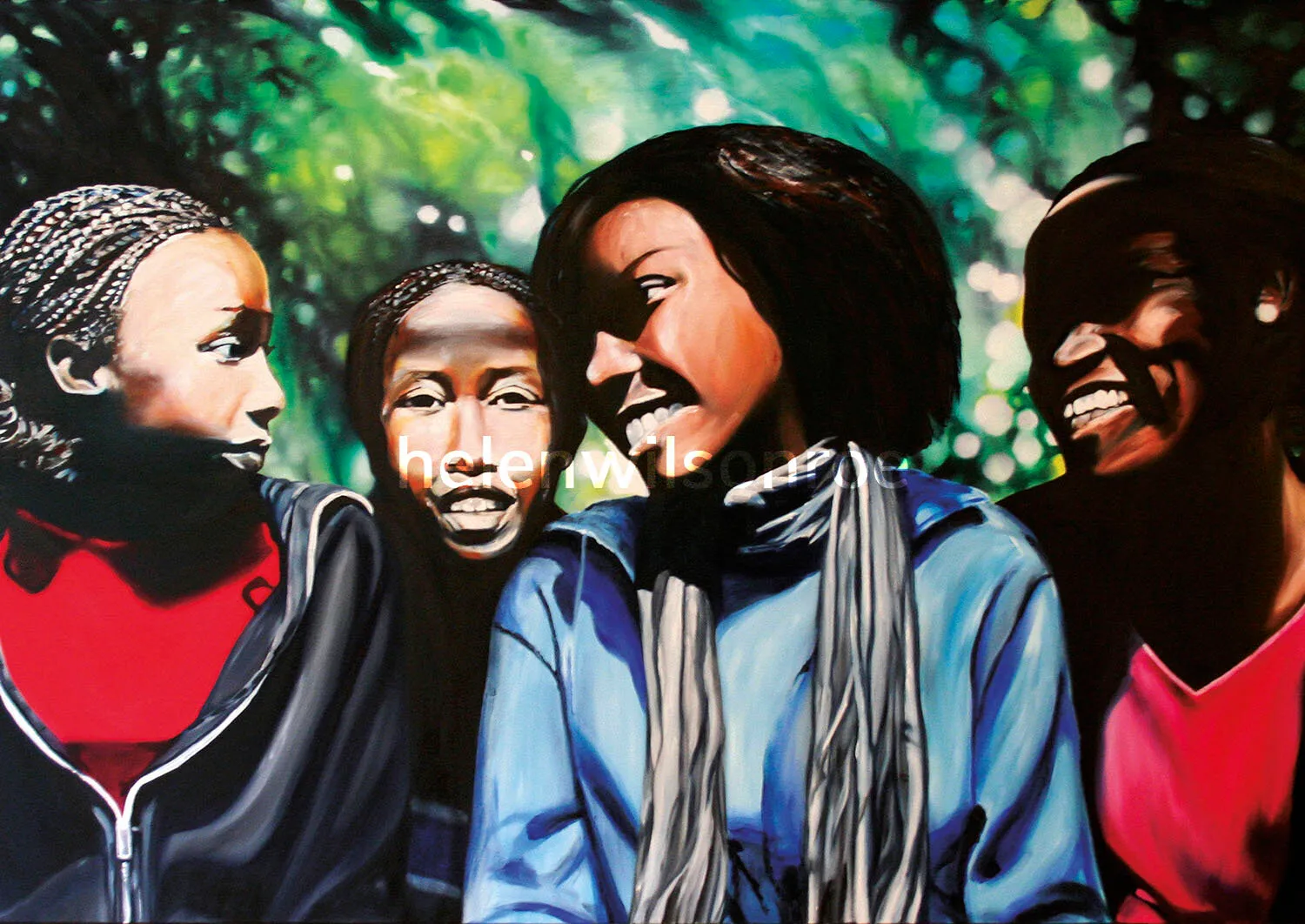
Her aesthetic sensibility is acute and she is a truly gifted artist. But the greatest gift she brings to these paintings is humanity. I have looked at so many images from Rwanda that I truly believed I would see nothing that could surprise me. Nor did I expect to see images, which would offer some hope amid the terrible despair wrought by genocide. Helen Wilson Roe says that she wants to offer hope and understanding in her paintings. She achieves this more completely than she knows. Take your time in front of these works. Be still. They should inspire us all to be humble and to remember the beauty of the lives taken away. Helen Wilson Roe has achieved a considerable artistic feat. It is also an act of love.