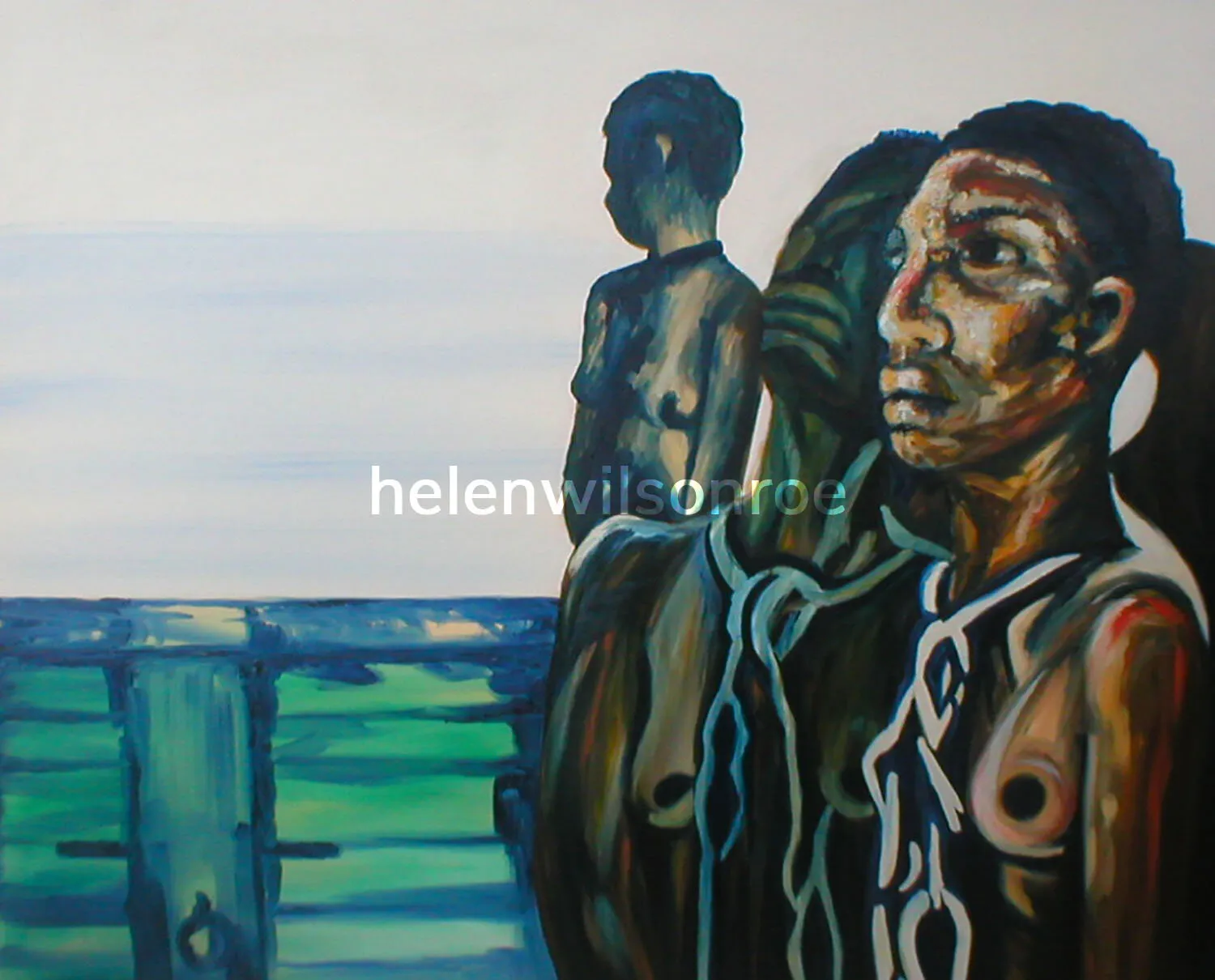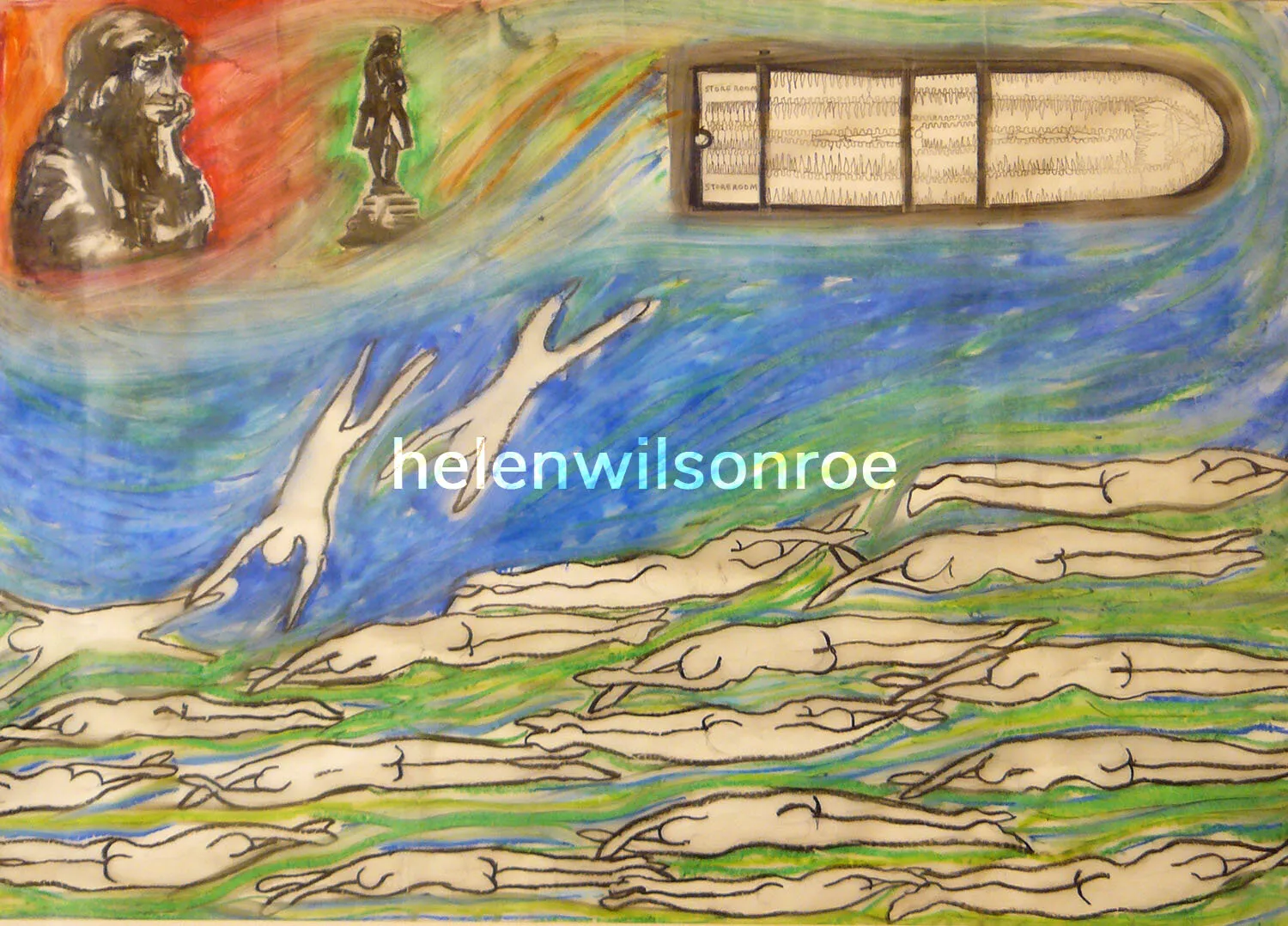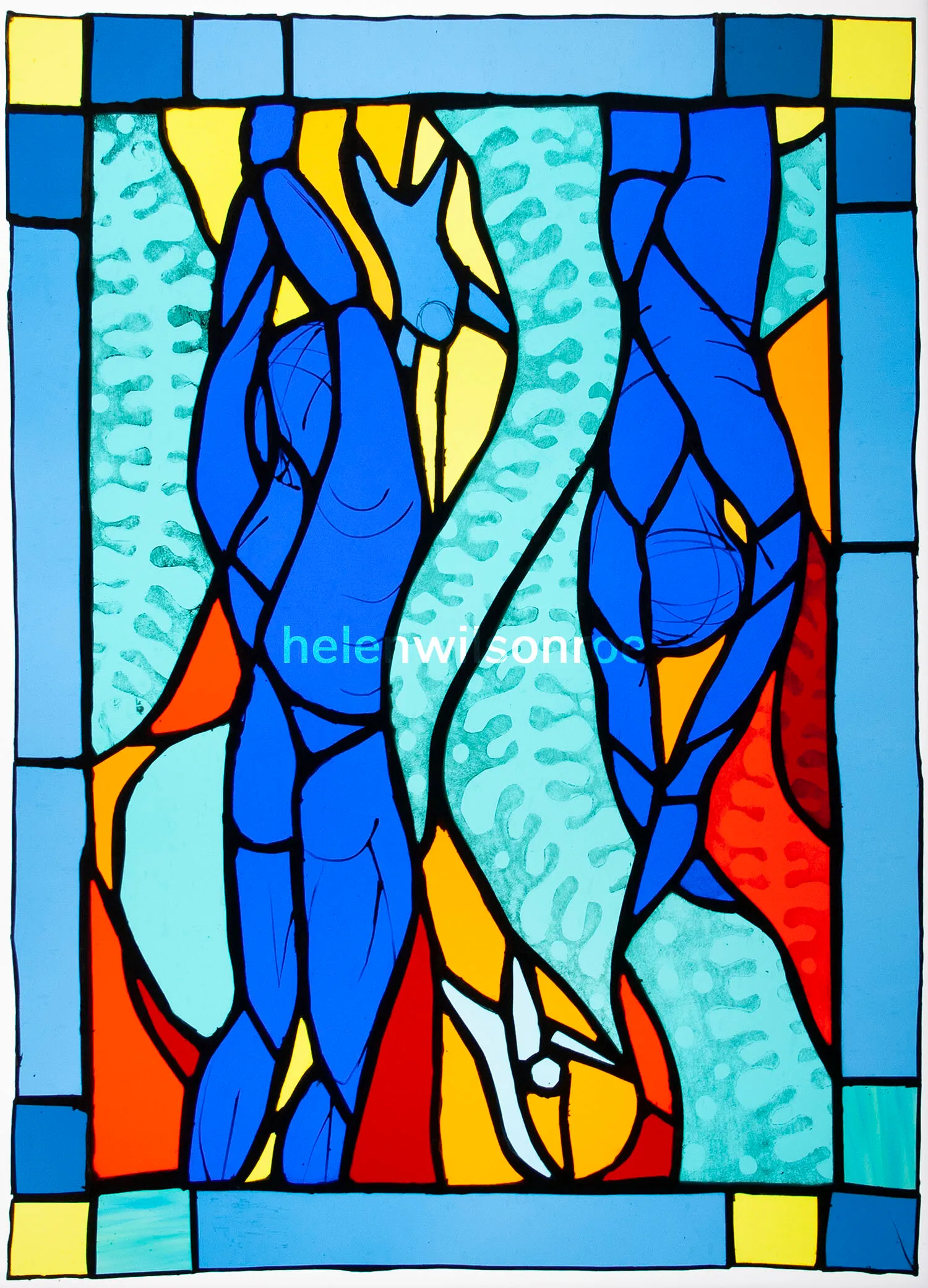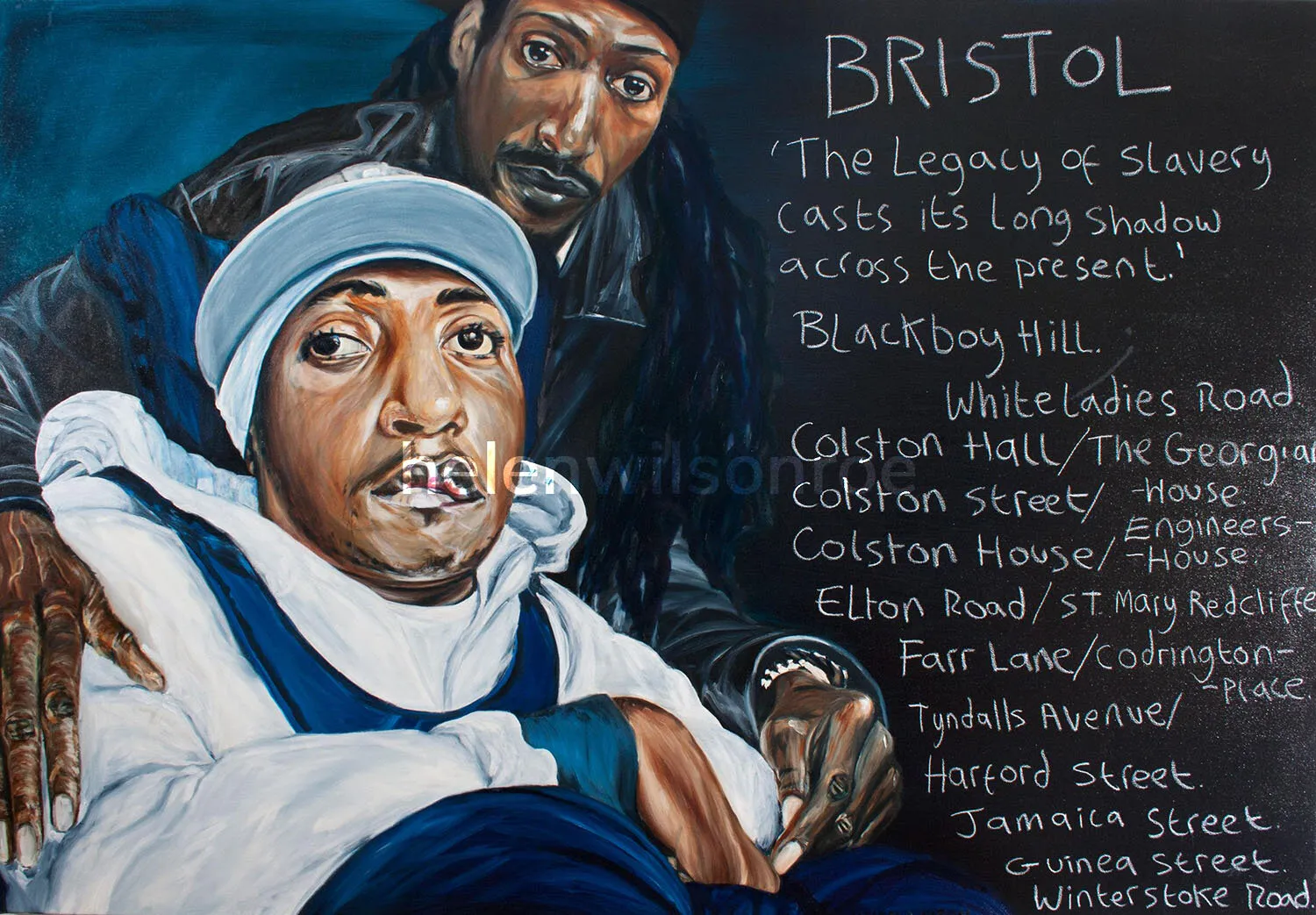
For Helen Wilson Roe, painting Bristol's role in the transatlantic slave trade isn't a detached historical exercise — it's an act of reckoning with her own city. Bristol's wealth, architecture and civic institutions were shaped in no small part by that trade, and its legacy still sits, often unspoken, in the buildings Bristolians pass every day: the halls, offices and public spaces where portraits of those who profited from it have long hung as though their presence were simply neutral. As a Bristolian herself, Helen isn't approaching that history from the outside; she's asking what it means to live in a city built partly on that trade, and to have a say in how it is remembered.
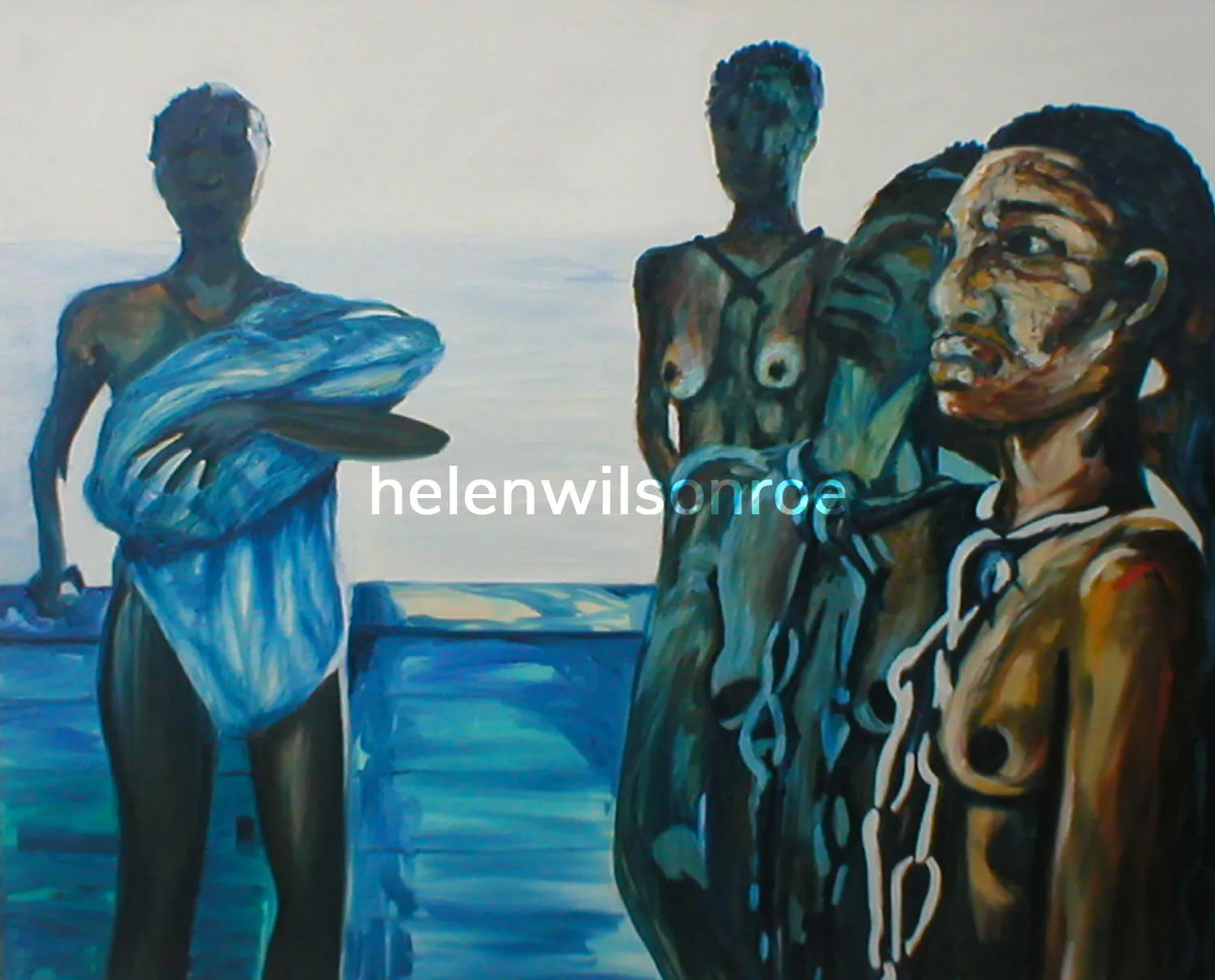
That local, personal stake is what gives the work its weight. It's one thing to critique a distant historical wrong; it's another to do so in the same Great Hall, the same City Hall office, the same streets that carry the names and statues of the people responsible. Painting that legacy, and putting figures like Henrietta Lacks in its place, is Helen's way of insisting that Bristol's history and its future don't have to look the same — that the city she calls home can hold a fuller, more honest account of itself, and that as a Bristolian, she has both the right and the responsibility to help shape what that account looks like.