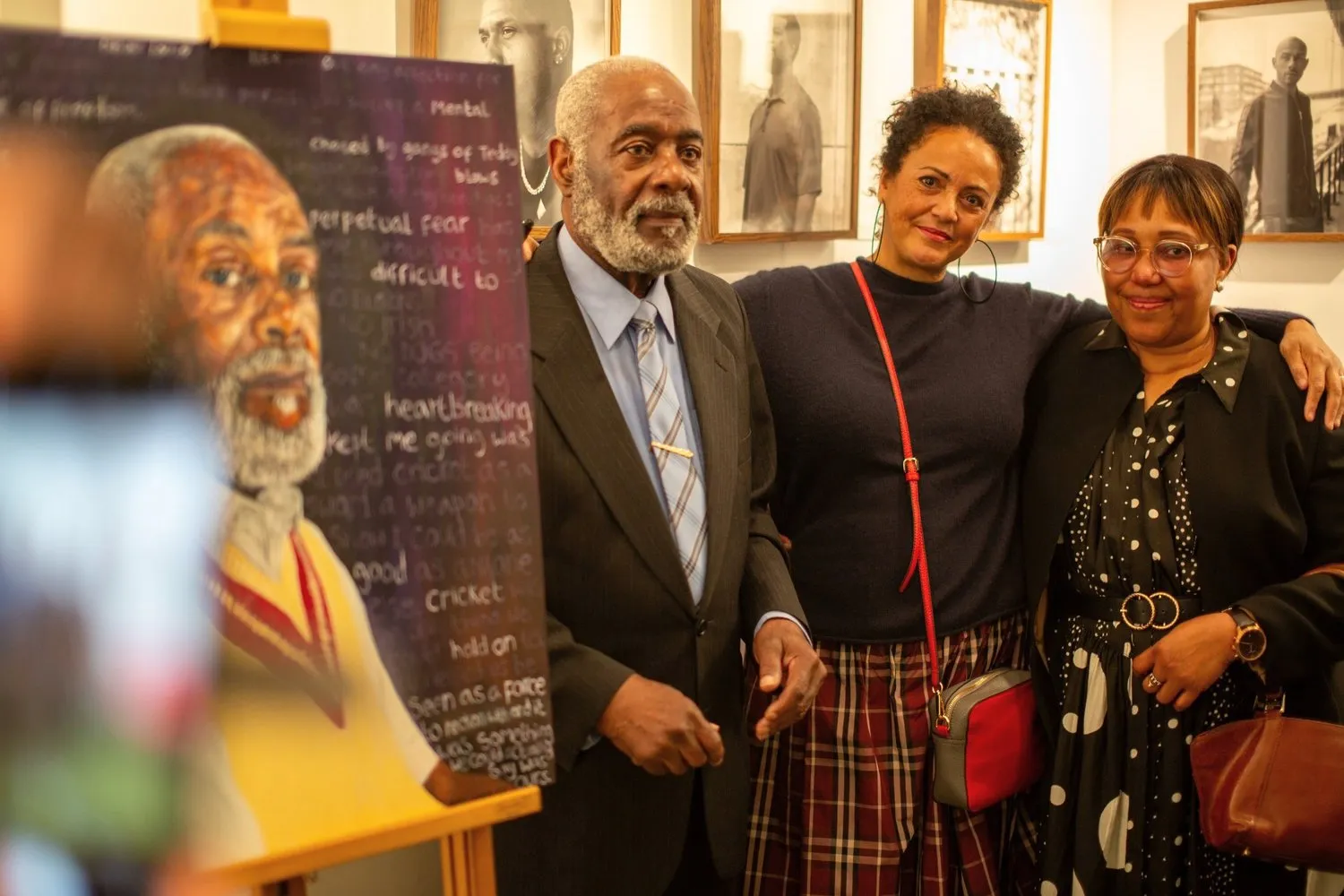
Helen Wilson Roe's painting of Dr Guy Bailey OBE, the civil rights activist, was displayed in the MCC Museum at Lord's to coincide with Black History Month — placing Bailey's fight to keep cricket open to everyone at the sport's most storied home.
Bailey co-founded the Bristol West Indian Cricket Club in 1963 to combat discrimination in sport, using the game as a way to bring young people from Bristol's Caribbean community together and give them a genuine stake in the wider society around them. That grassroots work made Lord's a fitting home for his portrait: it now hangs alongside photographs of cricketers from the same community who went on to represent England, and close to portraits of Bailey's own idols. "To have my portrait at Lord's, the same place where my idols, Sir Garfield Sobers and Viv Richards, also have portraits, is wonderful," Bailey said. Neil Robinson, the MCC's Head of Heritage and Collections, agreed that Lord's should be the home of cricket for every cricket fan, describing Bailey as "a great club cricketer, who did so much for the Caribbean community in Britain both on and off the field."
The painting was officially unveiled by former England player Mark Alleyne, the Head Coach of Gloucestershire CCC, and Devon Malcolm, the Black Communities Liaison Officer for the England and Wales Cricket Board (ECB), who, with Bristol West Indies Cricket Club (BWIPCC) member Joan Fieldthorne, both played a crucial role in championing the painting and its importance.
For more information click here
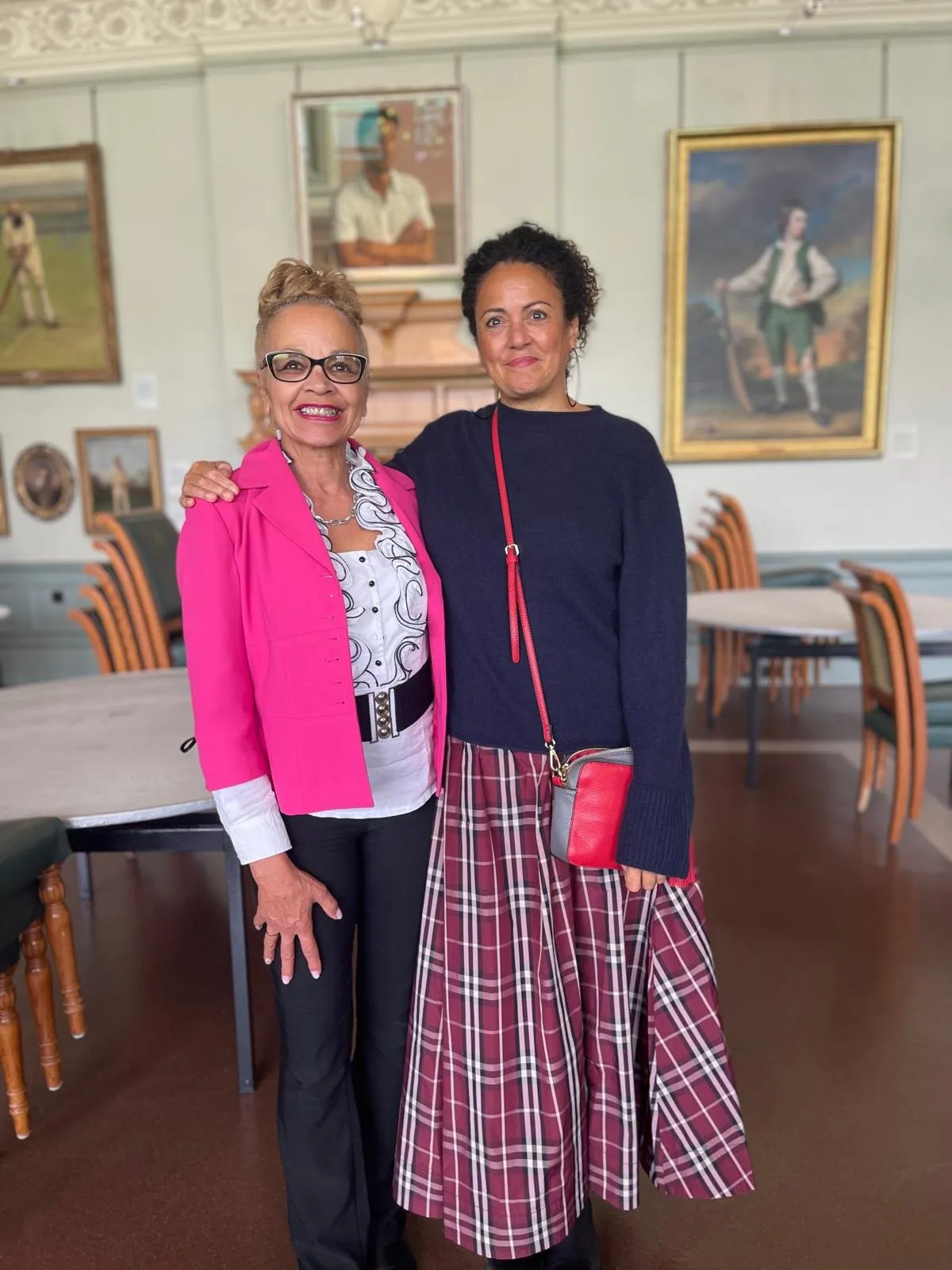
Several notable figures from the cricketing world attended, including former England player Norman Cowans and Anita Neil MBE, the first Black Olympian from the United Kingdom. They were joined by members of the Bristol West Indies Cricket Club (BWIPCC), who came together in solidarity and pride as Bailey's painting was revealed at the prestigious home of cricket.
Wilson Roe's portrait of Bailey is also displayed in England's Black Cricketers Exhibition, which celebrates the 21 Black players who have represented England through portraits by Tom Shaw — setting Bailey's contribution to the game alongside those recognised on the pitch.
“The establishment of the cricket club stands as a testament to Guy Bailey’s never-ending resolve to ensure that cricket remained a fixture in the lives of all British people, irrespective of their race or religion. I have made it my mission to paint portraits of individuals who have consistently contributed to their local or global communities and have brought about meaningful change yet have been overlooked. It’s the pinnacle of an artist’s journey, and the place where you put the painting is as important as the painting itself. Seeing the painting here at Lord’s and the reaction of Guy and the crowd was very emotional.’’
Helen Wilson Roe 2024