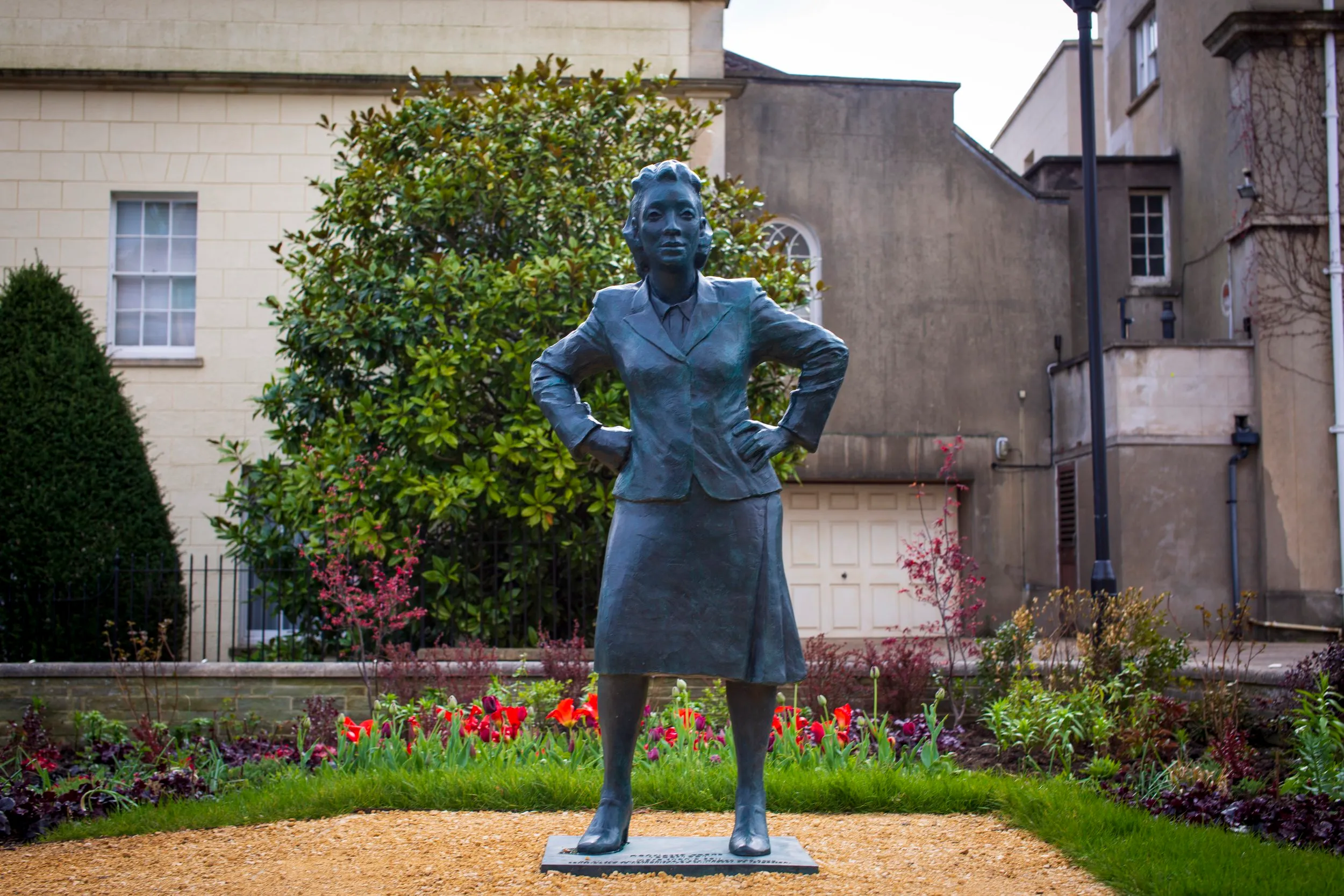
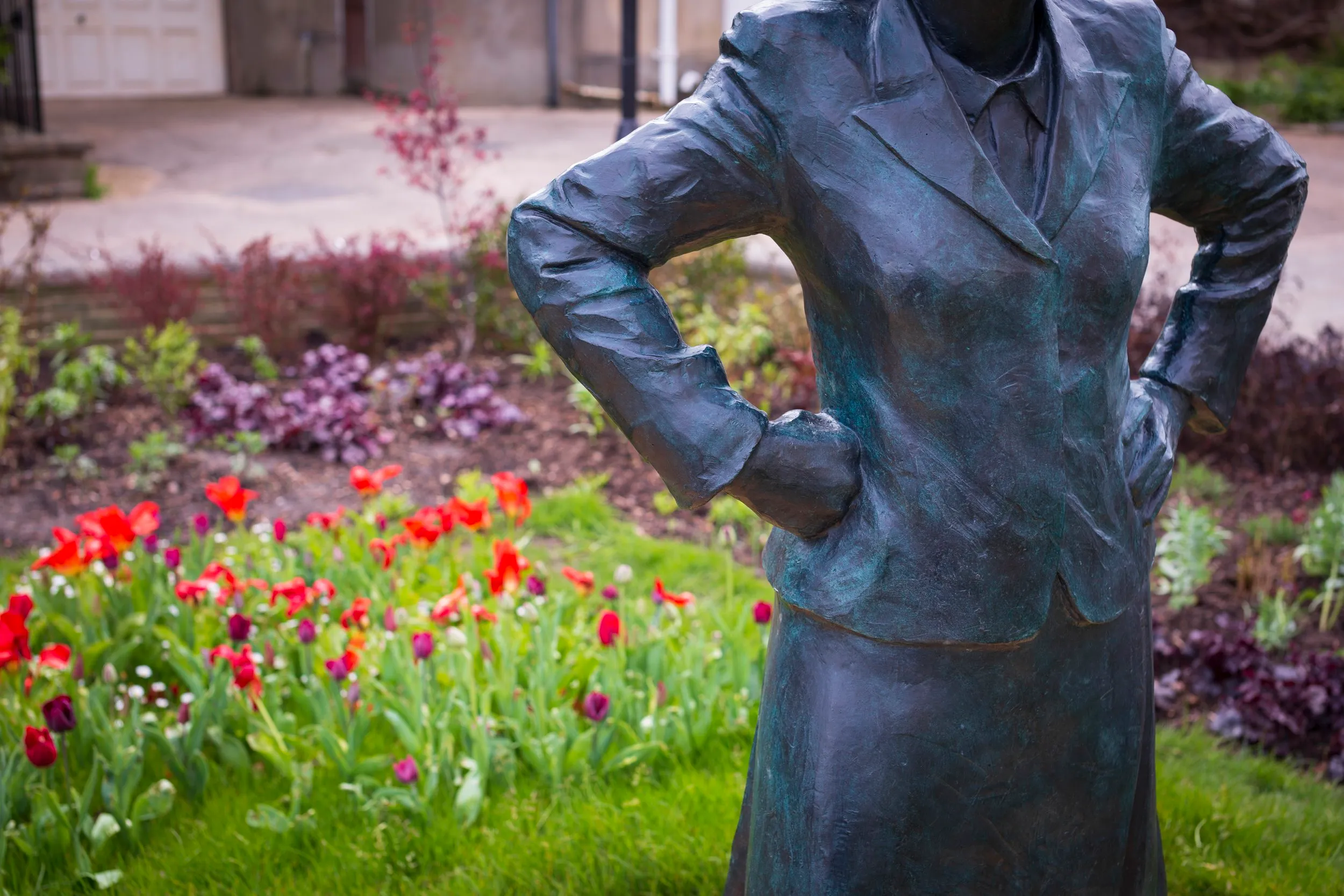
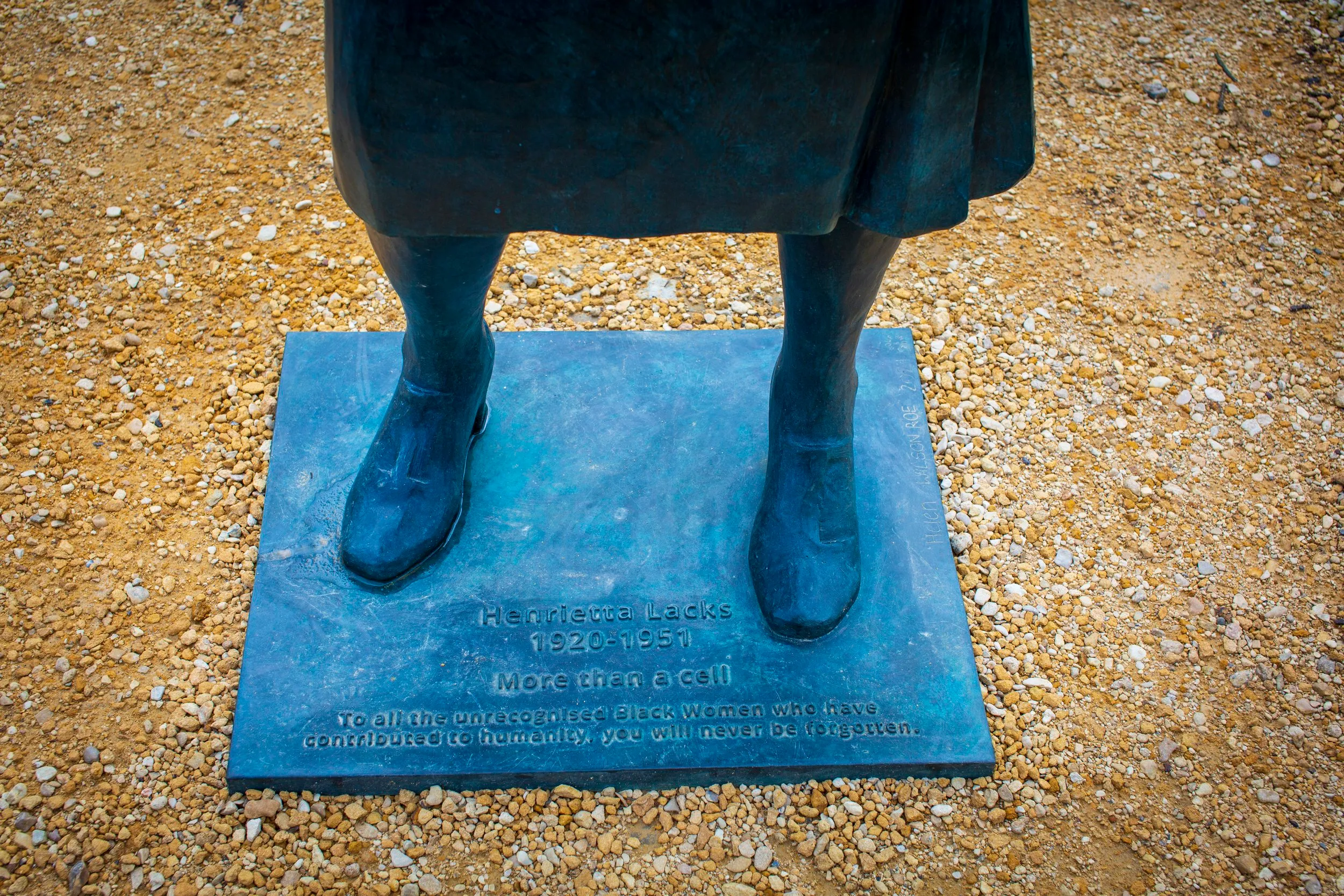
A life-size bronze statue of Henrietta Lacks, a Black American woman whose cells were the first ever to survive and multiply outside the body and whose use changed the course of modern medicine, has been unveiled at the University of Bristol by members of her family to honour the 70th anniversary of her cells first being used.
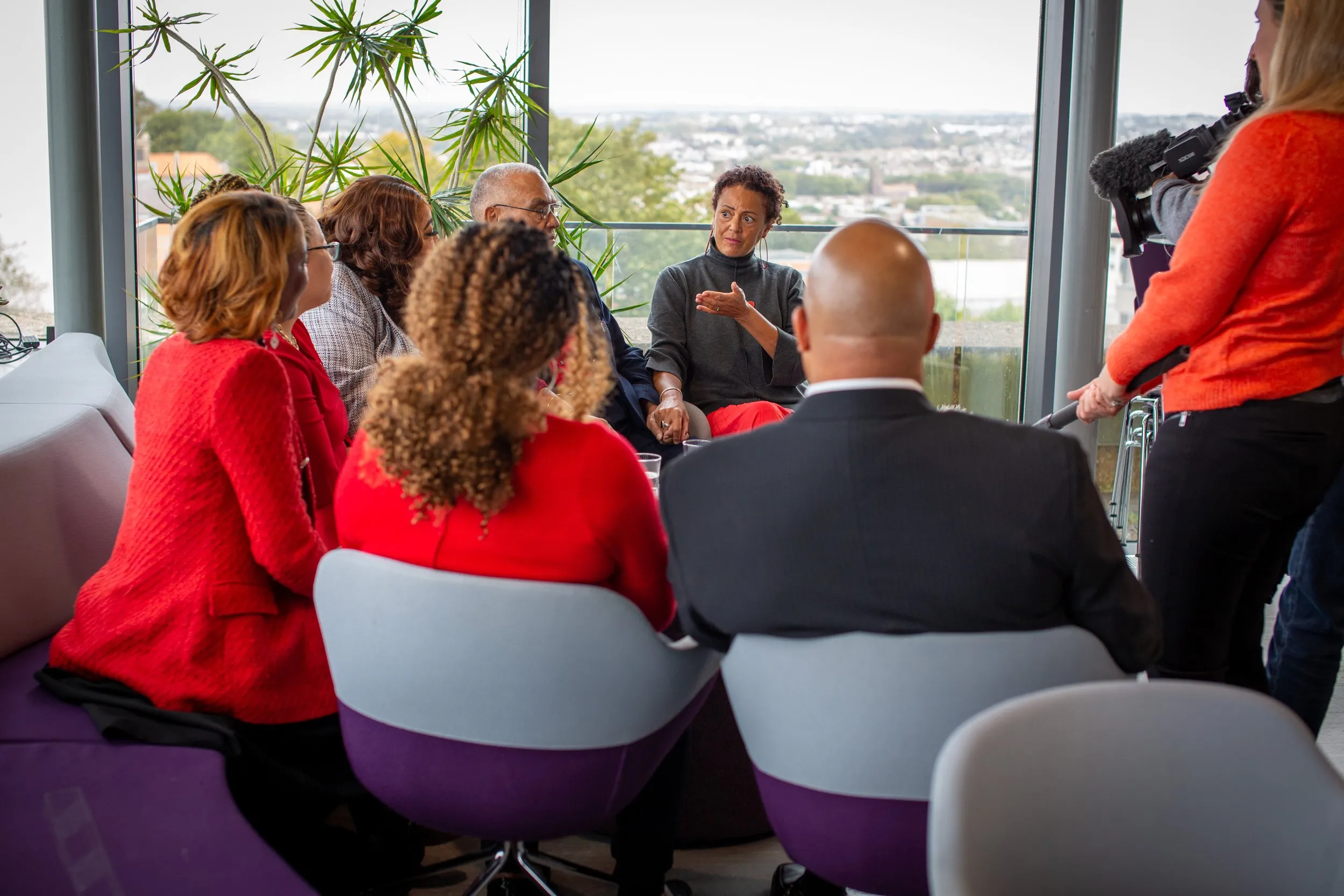
Her son Lawrence Lacks, who was 17 when his mother passed away, was joined by her grandson Alan Wilks and his wife Pam, granddaughter Jeri Lacks-Whye and great-granddaughters Victoria Baptiste and Veronica Robinson for the unveiling on Monday 4th October 2021.
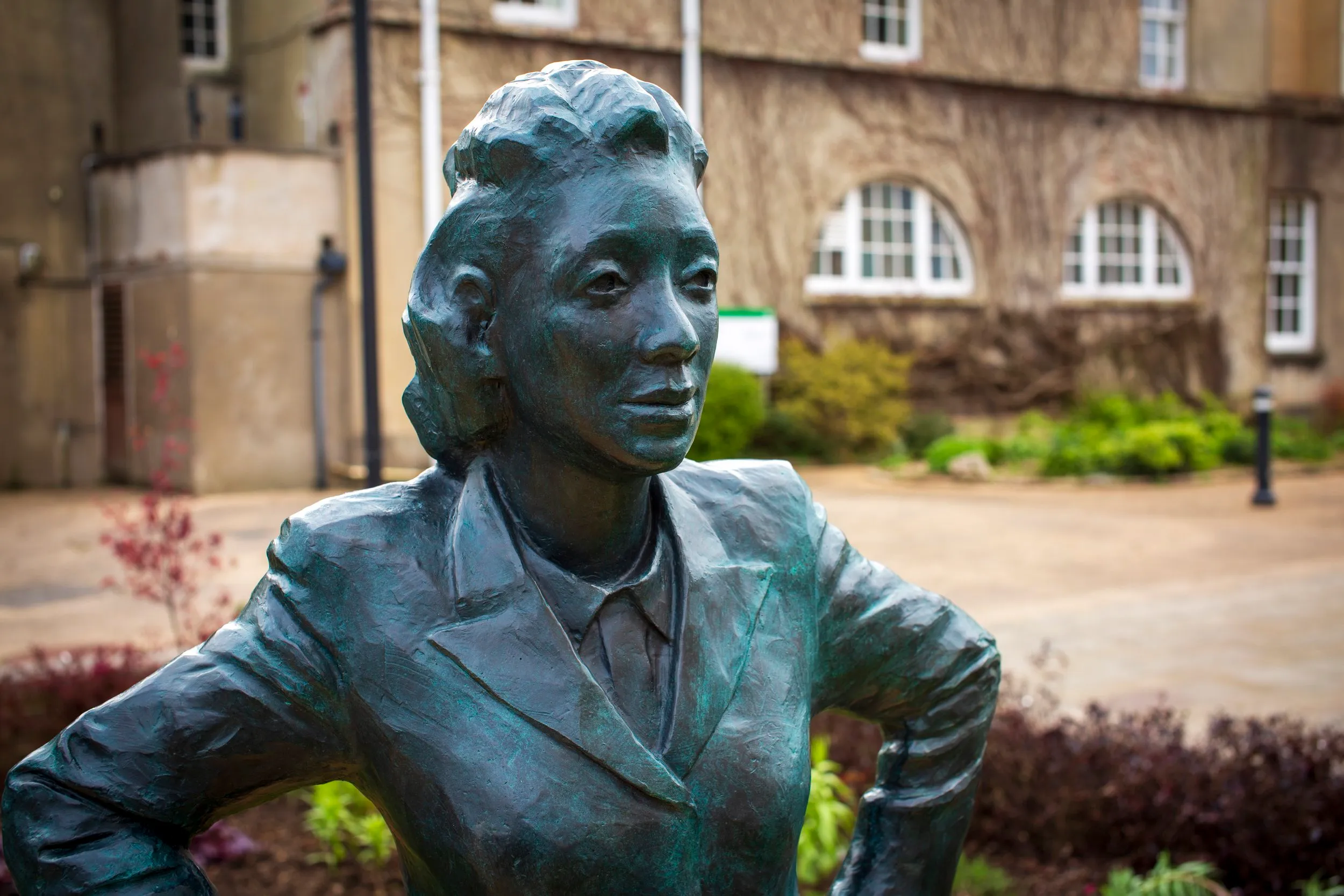
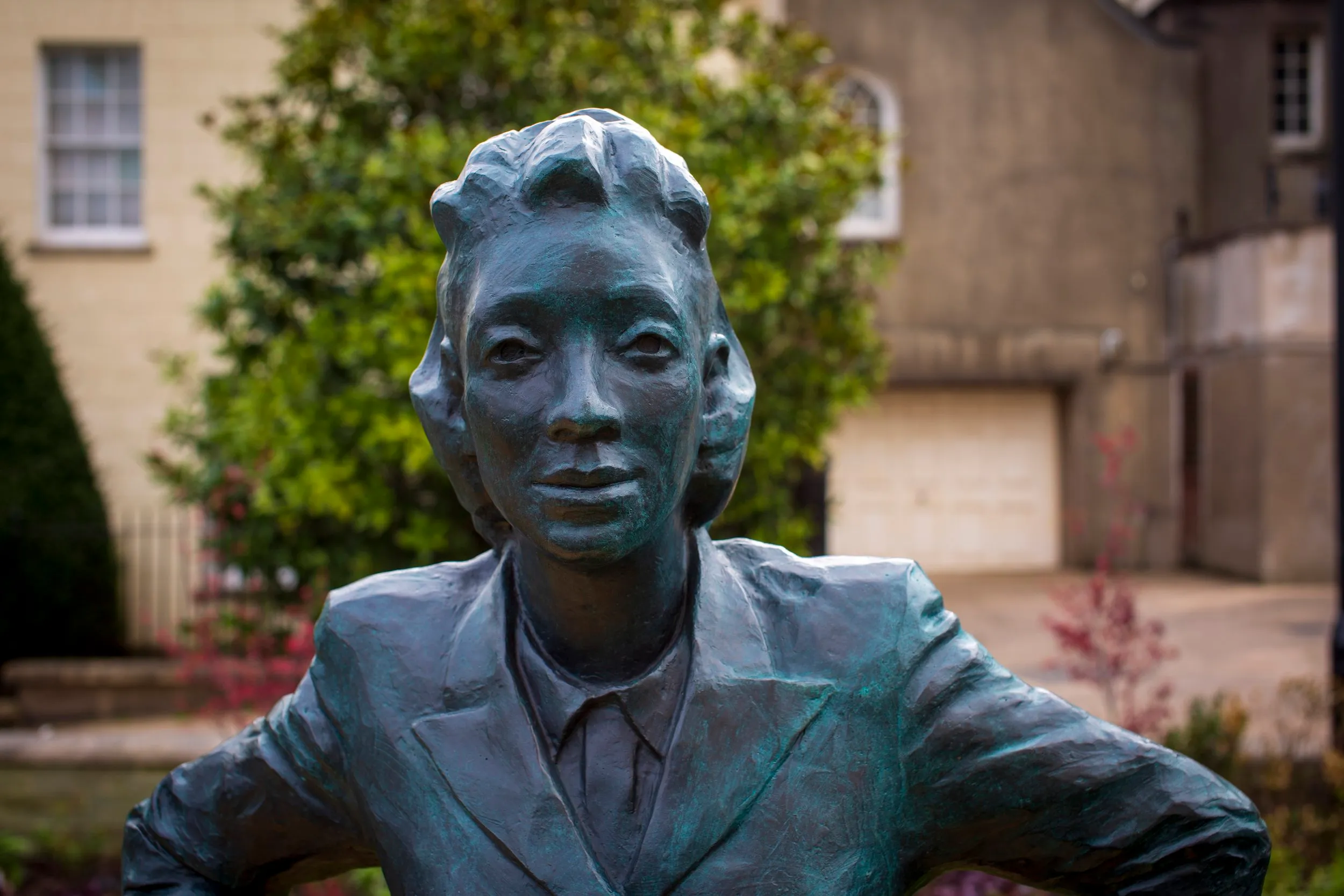
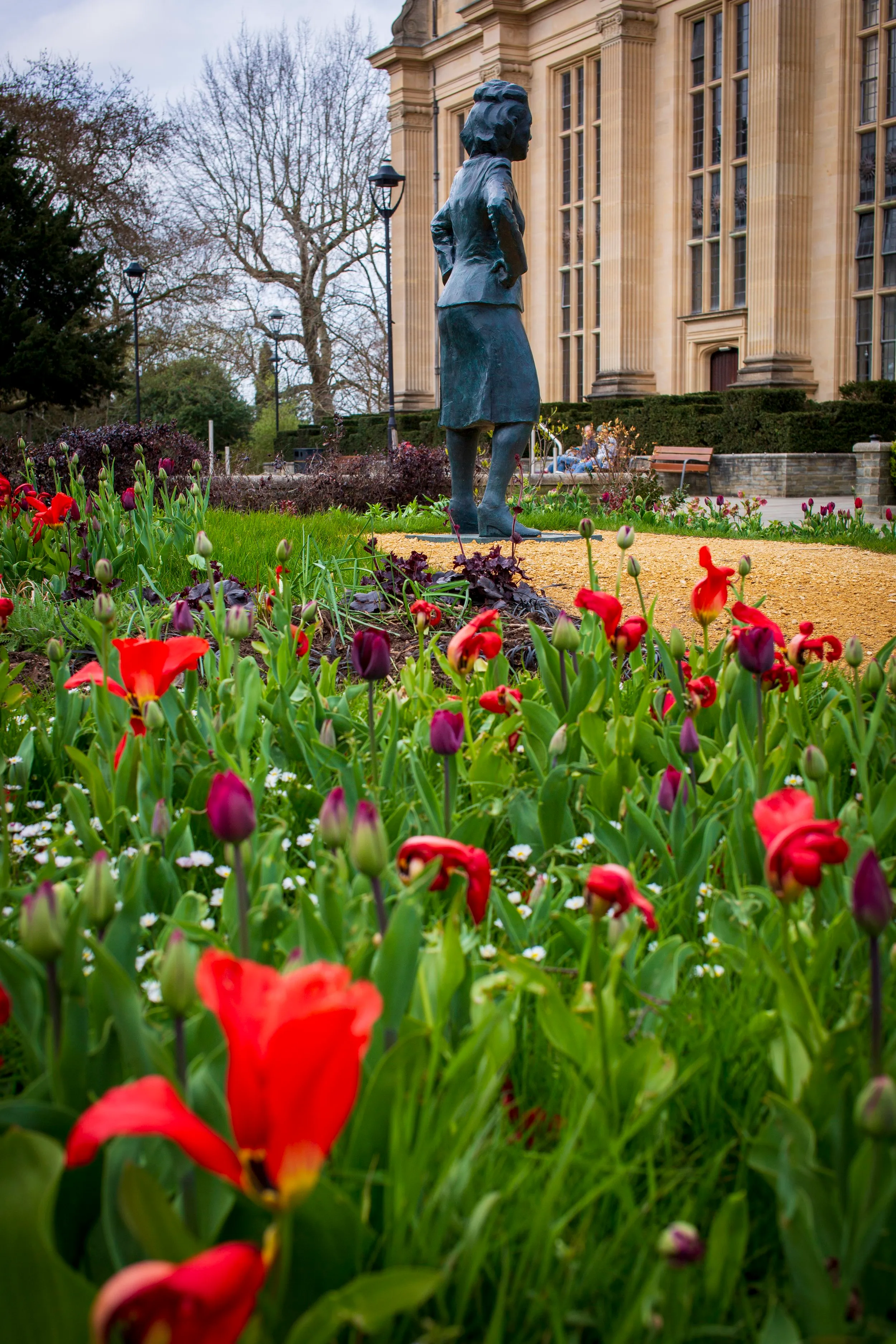
The statue, commissioned by the University earlier in 2021, is located in the heart of the campus precinct next to Royal Fort House. It is the work of Bristol artist Helen Wilson Roe and is the first public statue of a Black woman made by a Black woman permanently installed in the UK.
It follows two of Helen's portraits of Henrietta Lacks and Cllr Cleo Lake, Bristol's first Black female Lord Mayor, which have been on display in the Wills Memorial Building since October 2020.
HeLa cells are used in almost every major hospital and science-based University in the world, including the University of Bristol, where they have been used most recently for COVID-19 research.
The University is also announcing the launch of The Henrietta Lacks Studentship – a six-week paid summer internship for an undergraduate student to work in its laboratories on cell biology – and, with the support of the Lacks Family, is planning free in-person visits to the University for KS4 and KS5 pupils to learn more about cell biology. Other education science events in collaboration with the Lacks family in the UK and overseas are underway.
Jeri Lacks-Whye, Henrietta Lacks' Granddaughter, said:
"As the world commemorates 70 years since Henrietta Lacks' HeLa cells changed the world, we also reflect on my grandmother's untimely passing. It is only fitting that she is memorialised to educate future generations on her legacy and the importance of advancing health equity and social justice for all. The Lacks Family is honoured to begin our worldwide tour with the University of Bristol and Helen Wilson Roe for the unveiling of this historic statue."
Jeri Lacks-Whye, Henrietta Lacks' Granddaughter
Helen Wilson Roe said:
"Henrietta's statue will be the first public statue of a Black woman made by a Black woman in the UK and will be installed permanently on the University of Bristol campus. May our ancestors continue to show us the way to walk.
"As a child growing up in Bristol, there were no statues of Black women that I could identify with. So, knowing that my children and their grandchildren and great-grandchildren will be able to see Henrietta's statue is just fantastic, especially at this time when Bristol is starting to address its past.
"I have been researching Henrietta Lacks independently for over 20 years. My mission now is to finish painting all 24 portraits of the Lacks family and gift the portraits to the family so that they retain full control of their legacy."
Helen Wilson Roe
Professor Jeremy Tavare, Dean of the Faculty of Life Sciences at the University of Bristol, a biochemist, added:
"Many of our biomedical science researchers whose work uses human cells have used Henrietta's cells in their research or with collaborators, including myself. So we all owe Henrietta an enormous debt of gratitude.
"I am delighted to host this beautiful statue of Henrietta on our campus so we can visually honour her contribution to important discoveries we have made in Bristol over the last 70 years. I feel intensely proud that her family have been so supportive in our doing so. Her statue will do so much to raise her profile with our students and children in our local communities."
Professor Jeremy Tavare, Dean of the Faculty of Life Sciences, University of Bristol
Professor Judith Squires, Deputy Vice-Chancellor and Provost, said:
"Henrietta Lacks' legacy to science research and health care globally cannot be underestimated. This statue celebrates the impact her cells have made on our research here in Bristol and research around the world.
"The Lacks family has a unique relationship with Helen Wilson Roe, a local artist who wished for her statue to be in Bristol. So we are pleased to be able to give it a permanent home right here on our campus.
"The statue also marks a significant step in addressing the lack of representation of women, and women of colour, in public artwork in our diverse, multicultural city. As public art, the local community are most welcome to visit to see this wonderful statue for themselves and learn more about Henrietta Lacks and her legacy."
Professor Judith Squires, Deputy Vice-Chancellor and Provost, University of Bristol